


Hey there! I'm a supplier of Modern White Soap Dispensers, and I know how frustrating it can be when your soap dispenser isn't working right. Whether it's doling out way too much soap or barely giving you a drop, it can throw off your whole routine. In this blog, I'm gonna walk you through some troubleshooting steps to get your dispenser back in tip - top shape.
1. Check the Soap Consistency
First things first, the consistency of the soap you're using can have a huge impact on how the dispenser works. If the soap is too thick, it might not come out easily, resulting in too little soap being dispensed. On the other hand, if it's too thin, you could end up with a flood of soap.
Most modern white soap dispensers are designed to work with a specific range of soap viscosities. Check the manufacturer's guidelines to see what type of soap is recommended. If you're using a custom - made or thick homemade soap, try diluting it with a little bit of water. Start with a small amount, like a teaspoon per cup of soap, and mix it well. Then test the dispenser to see if the flow improves.
2. Examine the Dispensing Mechanism
The heart of the soap dispenser is its dispensing mechanism. Over time, this part can get clogged or damaged, leading to inconsistent soap flow.
- Remove and Clean the Nozzle: The nozzle is where the soap comes out, and it's prone to getting blocked by dried - up soap or debris. Gently remove the nozzle from the dispenser. You can usually do this by twisting it counter - clockwise or using a small tool to pry it off if it's a snap - on type. Soak the nozzle in warm, soapy water for about 15 - 20 minutes. Then, use a toothpick or a small brush to clean out any gunk inside the tiny holes. Rinse it thoroughly and reattach it to the dispenser.
- Check the Pump: The pump is responsible for drawing the soap up and pushing it out. Sometimes, the pump can get stuck or lose its suction. If your dispenser has a removable pump, take it out and inspect it for any signs of damage, like cracks or broken parts. You can also try priming the pump. To do this, press down on the pump a few times rapidly while the dispenser is filled with soap. This can sometimes help restore the suction. If the pump is still not working, it might need to be replaced. You can contact the manufacturer or look for a compatible replacement pump online.
3. Look for Air in the System
Air bubbles in the soap dispenser can disrupt the flow of soap. If there's too much air in the system, it can cause the dispenser to dispense too little soap or even sputter.
- Bleed the Air: To get rid of the air, first, make sure the dispenser is filled with soap. Then, hold the dispenser upside down and press the pump a few times. This will force the air out of the system and allow the soap to flow more smoothly. You might need to do this a few times until you see a steady stream of soap coming out.
- Refill Properly: When refilling the dispenser, try to minimize the amount of air that gets trapped inside. Pour the soap slowly and steadily, and avoid creating a lot of foam or splashing. If possible, use a funnel to direct the soap into the dispenser without introducing too much air.
4. Inspect the Container
The container that holds the soap can also cause problems. A cracked or damaged container can lead to leaks or affect the pressure inside the dispenser.
- Check for Cracks: Look closely at the container for any visible cracks or holes. Even a small crack can cause air to enter the system or allow soap to leak out, which can mess up the dispensing. If you find a crack, you'll need to replace the container. You can usually order a new one from the manufacturer or find a compatible replacement online.
- Ensure Proper Sealing: The lid or cap of the container needs to fit tightly to maintain the right pressure inside the dispenser. If the lid is loose or doesn't seal properly, air can get in and disrupt the soap flow. Make sure the lid is screwed on tightly or that any seals are in good condition. If the seal is damaged, you might be able to replace it with a new one.
5. Consider the Mounting and Placement
Believe it or not, where you mount the soap dispenser and how it's placed can affect its performance.
- Mounting Height: If the dispenser is mounted too high or too low, it can make it difficult for the soap to flow properly. The ideal mounting height is usually around waist - level, so that you can easily reach the dispenser and apply the right amount of pressure to the pump. If your dispenser is mounted too high, the soap might not come out as easily because of the increased resistance. If it's too low, you might have to bend down too much, which can also affect the flow. Adjust the mounting height if necessary.
- Avoid Vibrations and Movement: A dispenser that's constantly being jostled or vibrated can also have problems with soap flow. Make sure the dispenser is securely mounted to a stable surface. If it's a wall - mounted dispenser, check the screws or brackets to make sure they're tight. If it's a countertop dispenser, place it on a flat, non - slippery surface where it won't be knocked around easily.
6. Evaluate the Soap Level
The amount of soap left in the dispenser can also impact its performance.
- Don't Let It Run Too Low: When the soap level gets too low, air can start to enter the system more easily, causing inconsistent flow. Try to refill the dispenser before it runs completely empty. Most dispensers work best when they're at least half - full.
- Overfilling: On the other hand, overfilling the dispenser can also cause problems. If there's too much soap in the container, it can put too much pressure on the dispensing mechanism, leading to too much soap being dispensed. Make sure to follow the manufacturer's guidelines on the maximum fill level.
Other Types of Modern Dispensers
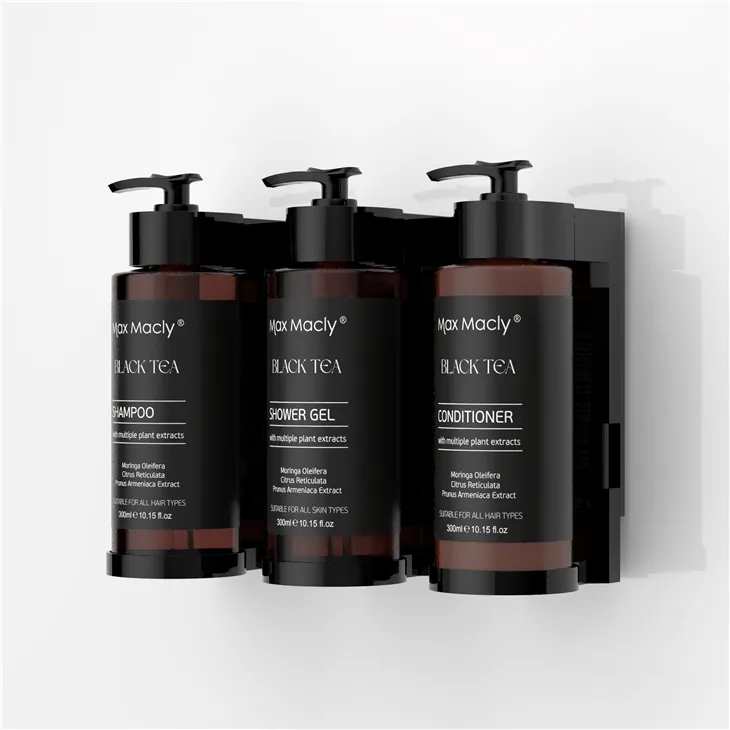
If you're interested in other types of modern dispensers, we also offer some great options. For example, our Shower Gel Wall Dispenser is perfect for your bathroom. It's designed to hold shower gel and dispense it easily while you're in the shower. And our Wall Mounted Shampoo Conditioner Dispenser is a convenient way to keep your shampoo and conditioner organized and within reach. We also have a 3 Soap Dispenser Wall Mounted option, which is great for places where you need to dispense multiple types of soap.

Conclusion
Troubleshooting a modern white soap dispenser that dispenses too much or too little soap doesn't have to be a headache. By following these steps, you can usually identify and fix the problem. If you've tried everything and the dispenser still isn't working properly, don't hesitate to reach out to us. We're here to help you get your dispenser back in working order.
If you're in the market for a new soap dispenser or looking to stock up your business with high - quality dispensers, we'd love to talk to you. Whether you're a hotel, a restaurant, or just a homeowner, we have the right products for you. Contact us to start a conversation about your needs and let's work together to find the perfect soap dispenser solution.
References
- General knowledge on soap dispenser maintenance and troubleshooting.
- Manufacturer's guidelines for modern white soap dispensers.


